Money-Saving iPhone Repair Tips: How to Reduce Expenses While Getting Your Device Fixed
Affordable iPhone repair options can assist users in managing costs while ensuring their devices remain operational. Numerous frequent problems, such as damaged screens and power-related concerns, can be addressed through simple DIY methods. Nevertheless, when expert help is required, finding affordable repair services becomes vital. Understanding the balance between quality and cost in replacement parts is also important. This guide will examine these approaches, prompting users to contemplate their options for managing their iPhones effectively.
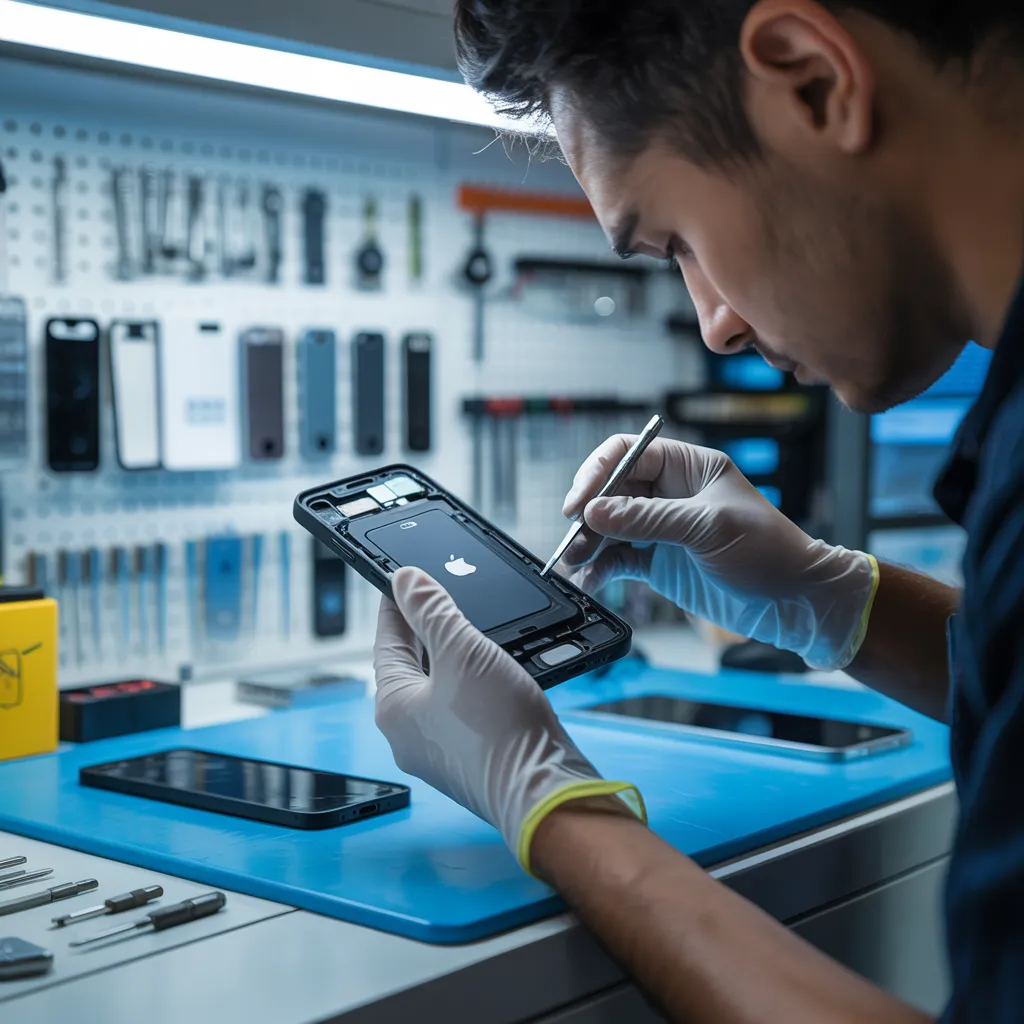
Spot Typical iPhone Problems: What You Need to Know First
When users encounter issues with their iPhones, knowing the most typical problems can greatly speed up the repair process. Common issues include screen damage, battery deterioration, and software glitches. Screen cracks are commonly caused by accidental drops, placing them among the most frequently required repairs. Battery problems typically manifest as rapid drainage or failure to hold a charge, particularly in older models. Software errors can cause unresponsive applications or recurring crashes, typically addressed through a straightforward reboot or system update.
Another common issue involves connectivity issues, affecting Wi-Fi and Bluetooth functionalities, which may originate from software configurations or hardware malfunctions. Users may also encounter sound issues, including distorted sound or faulty speakers, often linked to hardware damage or software bugs. Identifying these typical problems helps users make knowledgeable choices regarding repairs, allowing them to conserve time and resources throughout the repair process.
Self-Help iPhone Repair Tips for Small Issues
A large number of iPhone users experience small issues that can be quickly fixed without the help of a professional. For example, a damaged screen can often be handled with a do-it-yourself repair kit, which generally contains bonding material and a new glass panel. Users are advised to follow digital tutorials to ensure a successful repair.
A frequently encountered problem is reduced device speed. Deleting cached data and unneeded apps can significantly improve performance. Restarting the device can additionally fix minor glitches.
Battery troubles, such as excessive battery depletion, can be resolved by adjusting settings including brightness and background app refresh. Owners may also replace the battery themselves by following online tutorials, provided they have the right tools.
Additionally, if the device is not charging properly, looking at the charging port for dirt and gently clearing it with a toothpick can often rectify the problem. By applying these self-help solutions, users can save money and extend the life of their iPhones without professional intervention.
When You Should Seek Professional Assistance: Locating Affordable Repair Services
How can individuals identify when they should get expert assistance for their iPhones? Recognizing the limits of DIY repair is essential. If a problem persists despite trying common troubleshooting methods, like resetting the device or checking for software updates, it may indicate a more significant issue. Owners are advised to look into expert help when they experience physical problems like broken screens, battery failures, or liquid damage, which frequently necessitate expert tools and technical proficiency.
Additionally, if the device exhibits indicators of malfunction, such as sudden shutdowns or inability to charge, expert intervention is advised. Discovering budget-friendly repair options can be accomplished through careful research; nearby repair centers frequently provide competitive pricing compared to official service providers. Examining user reviews can also support users in pinpointing dependable repair services. In conclusion, identifying when to consult professional support confirms that users can competently manage their device complications without experiencing unnecessary costs.
Selecting Replacement Parts: Quality vs. Cost
After determining the need for expert repair services, users face the critical decision of choosing replacement parts. The choice between quality and cost can greatly impact the device's longevity and performance. Superior replacement parts, often sourced from reputable manufacturers, tend to provide better compatibility and durability, decreasing the probability of future issues. However, these superior alternatives come at a higher price.
In contrast, lower-cost options may seem appealing, especially for those seeking to reduce initial expenses. Although these affordable components may temporarily fix the problem, they may not offer the same reliability, possibly resulting in more regular maintenance expenses over time.
Consumers should consider their priorities: if the device plays a vital role in everyday use, putting money into quality components may be a smart choice. At the end of the day, the decision must weigh current financial pressures against the ongoing health and usability of the iPhone.
Do You Really Need Warranty and Insurance for Your iPhone?
When evaluating the importance of coverage and protection for an iPhone, comprehending available coverage options is crucial. An analysis of insurance costs can help consumers decide whether the potential benefits outweigh the costs. Examining these elements enables informed decisions regarding protection against potential damages and repairs.
Understanding Warranty Coverage
As many iPhone users explore warranty coverage and insurance to safeguard their devices, being familiar with the particulars of these options is important. Standard warranty coverage generally covers repairs for manufacturing flaws but does not cover accidental damage. Apple's default warranty period spans one year, offering the possibility to expand coverage through AppleCare+ for an added charge. This additional plan offers protection against accidental damage, though a deductible applies per incident. Users should assess their usage patterns and risk factors before choosing a warranty plan. For those who frequently upgrade or are cautious with their devices, the basic warranty could be sufficient. In contrast, intensive users or those who tend to have mishaps might find extended coverage a worthwhile investment, delivering confidence and potential financial benefits on repair costs.
Insurance Cost Analysis
How can users determine whether investing in warranty and insurance for their iPhone is financially beneficial? Evaluating the potential costs of repairs versus the premiums of insurance plans is essential. Owners should examine the standard repair expenses for frequent problems, including screen damage or battery deterioration, and measure these against the yearly cost of a coverage plan. Moreover, individuals ought to consider the chances of incurring damage by analyzing how frequently and carefully they use their devices. For those who use their devices heavily and are susceptible to mishaps, an insurance plan can offer reassurance and monetary benefits. On the other hand, individuals who handle their devices with care may discover that self-insuring—reserving money for possible repair needs—might prove to be a more economical strategy. In the end, each person's unique situation will determine the true worth of warranty and insurance plans.
Avoid Repair Scams: Key Warning Signs to Know
What warning signs suggest a possible repair scam when looking for iPhone services? For starters, extremely low prices may be cause for concern; should a repair service advertise deals that seem unrealistically affordable, the quality of work may be questionable. Furthermore, insufficient transparency about the repair iphone screen repair barrs court bristol process and components utilized may suggest deceptive practices. Trustworthy service providers ought to offer thorough estimates and clarify the repair process.
An additional red flag involves pressure tactics, like pushing customers into hasty choices without sufficient time to consider their alternatives. Consumer reviews may also shed light on the situation; a pattern of poor reviews or an absence of feedback warrants careful consideration.
Additionally, legitimate repair companies usually maintain a physical storefront and a legitimate online profile. If a service provider exists purely online without a clear address or contact details, it might not be legitimate. Keeping an eye out for these red flags can enable consumers to steer clear of scams and guarantee a reliable repair experience.
Preventing Future Damage: Tips to Keep Your iPhone Safe
Shielding an Apple iPhone from damage requires proactive measures. iPhone users should invest in a high-quality protective case and screen cover to absorb shocks and prevent cracks. Routinely cleaning your iPhone, particularly the charging ports, can prevent dust buildup and maintain proper functionality.
Furthermore, preventing exposure to extreme heat and dampness is crucial; users should refrain from storing their phones in overheated cars or in proximity to water. Applying software updates promptly ensures that the phone operates efficiently and takes advantage of the latest security features.
Developing a routine for safe storage is also crucial; iPhone users should keep their iPhones in secure compartments or bags when out and about. Finally, following mindful usage, such as avoiding multitasking while handling the phone, can greatly lower the risk of accidents. By adopting these protective measures, iPhone owners can greatly extend the life expectancy of their phones and sidestep expensive damage costs.
Questions Our Clients Often Ask
What Are the Signs That My iPhone Needs Fixing?
Signs that an iPhone needs repair involve constant crashes, unresponsive touchscreen, rapidly draining battery, external physical damage, or poor camera performance. Experiencing these symptoms may indicate potential hardware or software issues necessitating expert repair.
What Tools Are Required for DIY iPhone Repairs?
For those attempting DIY iPhone repairs, the essential tools needed include a precision screwdriver set, plastic spudgers, tweezers, suction cups, and a heat gun or heat mat. Such tools support proper disassembly and reassembly of the device throughout the repair process.
Can Third-Party Repair Shops Be Trusted for iPhone Repairs?
Outside repair providers can be reliable for iPhone repairs, regularly offering quality service at reduced prices. However, customers are advised to look into customer feedback and inquire about service warranties to ensure a successful service outcome.
Can I Repair My iPhone Without Voiding the Warranty?
Yes, an Apple iPhone can be repaired without nullifying the warranty if the repair work is performed by certified repair specialists using genuine parts. Repairs performed by uncertified technicians, however, commonly cause warranty invalidation, affecting subsequent service opportunities.
What Is the Typical Duration of an iPhone Repair?
A standard iPhone repair usually takes anywhere from one to three hours depending on the type of repair needed. More complicated repairs may require additional time, while simpler fixes can frequently be finished promptly by professional repair technicians.